
Gifted collaborations can be brilliant.
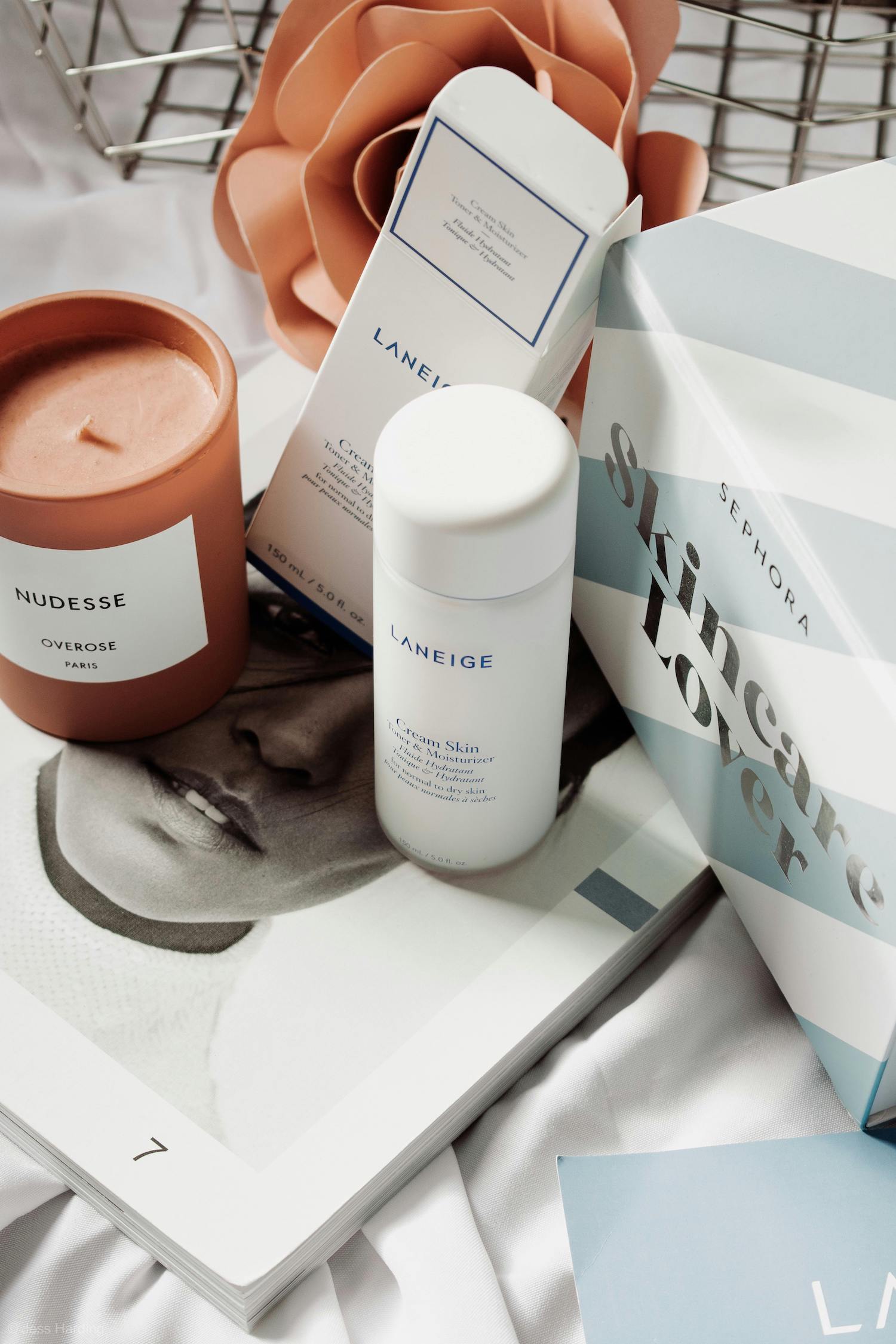
They can also be the quickest way to end up thinking: “Hang on… did I just do a full campaign for a £12 candle and a promise?” (We’ve all seen it.)
The problem usually isn’t that brands are trying to be sneaky or that creators are being difficult. It’s that gifted collabs often happen informally. And when the payment is a product instead of cash, the expectations can get fuzzy fast.
This post is a friendly, practical guide to making gifted collaborations feel clear, fair, and low-drama for both sides.
What a gifted collaboration actually is
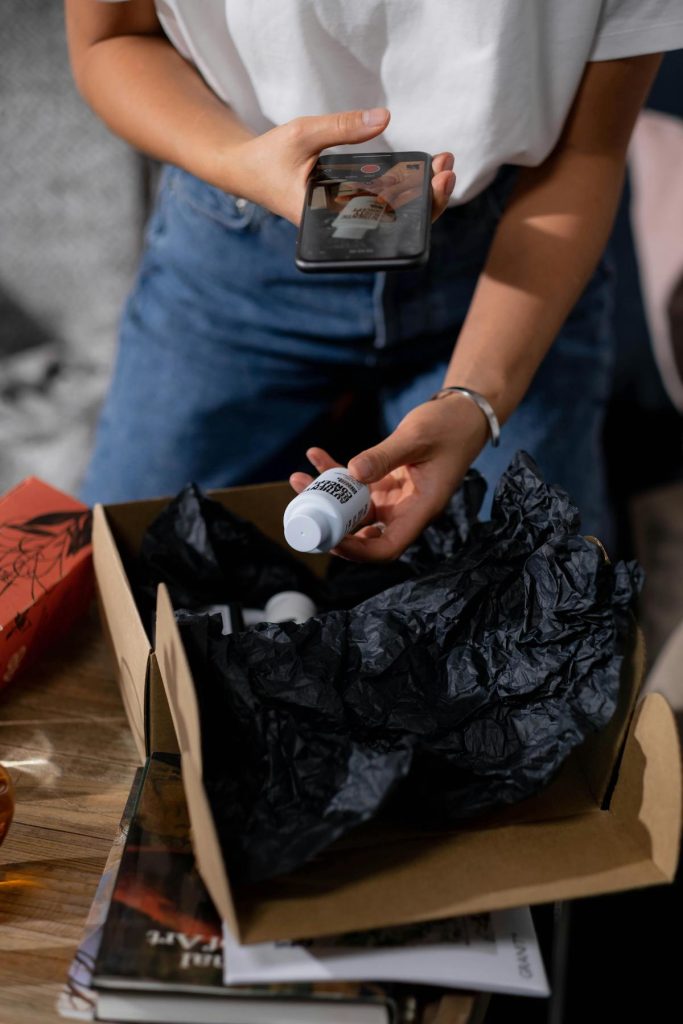
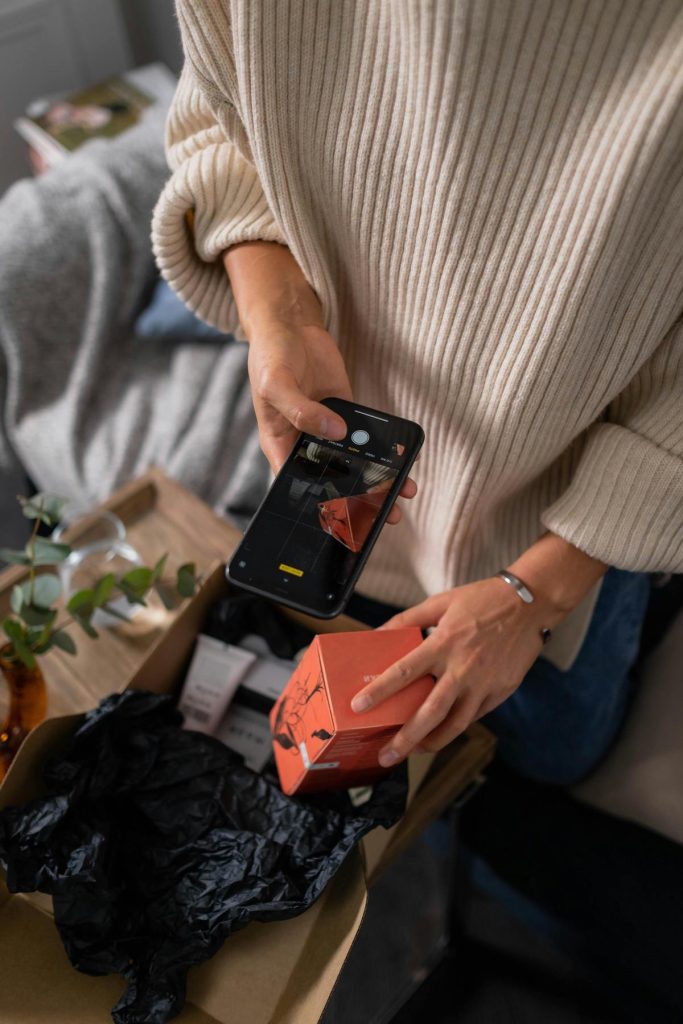
A gifted collaboration is simple: the creator receives a product (or service) in exchange for content.
That might be:
- A product sent out for review
- A gifted experience (hotel stay, treatment, event)
- A bundle of items in exchange for a set of deliverables
And just to say the quiet bit out loud: gifting is still a commercial arrangement. It still needs clarity.
Why gifted collabs can go wrong
Gifted campaigns tend to go wobbly for a few predictable reasons.
1. The value mismatch
Brands think: “We’re giving away stock.”
Creators think: “I’m giving away time, skill, and access to my audience.”
Both are true. But if the product value and the workload don’t match, resentment builds.
A good rule of thumb. If the deliverables look like a paid campaign, it probably needs a paid budget.
2. Vague deliverables
Gifted collabs often start with:
- “Would you mind posting something?”
- “A little review would be amazing!”
Which sounds friendly… until someone later expects:
- A blog post, Instagram, and TikTok
- A do-follow link
- Usage rights for ads
- A tight deadline
Clarity upfront prevents the awkwardness later.
3. Timelines that aren’t realistic
Creators have real lives and real workloads. Brands have launches and seasonal deadlines.
If you don’t agree:
- When the product will arrive
- When content is due
- What happens if delivery is delayed
…you’ll end up with stress on both sides.
4. The ‘we’ll just take it off-platform’ problem
When everything happens in DMs, it’s easy for details to get lost.
And when details get lost, people fill in the gaps with assumptions.
5. Disclosure confusion
Gifted content still needs disclosure.
In the UK, creators should be clear that something was gifted (and any additional payment or affiliate relationship should be disclosed too).
Brands also need to be comfortable with that transparency. It protects everyone.
The low-drama checklist for brands
If you’re a brand doing gifted collaborations, here’s how to make it smooth (and actually get better content out of it).
1. Be clear on what you want
Write it down in plain English:
- What deliverables are you asking for?
- Which platform(s)?
- Any must-mention points?
- Any do-not-say restrictions (e.g., claims you can’t legally make)?
If you’re hoping for a backlink or a specific URL mention, say so upfront.
2. Be honest about the value
A gifted collab can be a great fit when:
- The product is genuinely useful/interesting to the creator
- The deliverables are light
- You’re happy with authentic, creator-led content
If you need a lot of deliverables, fast turnaround, or guaranteed messaging, consider a paid collaboration instead.
3. Set a realistic timeline
Include:
- Shipping date and tracking (if possible)
- Expected arrival window
- Content due date
- Any launch deadlines
And please don’t be afraid to say: “If this date doesn’t work for you, no worries, we can adjust.” That one sentence removes so much pressure.
4. Don’t sneak in usage rights
If you want to repost the content, run it in ads, or use it on your website, that’s a separate conversation. Creators are usually open to it, they just need to agree to it.
5. Make returns and replacements clear
If something arrives damaged, wrong, or missing:
- Who does the creator contact?
- Will you replace it?
- Does the timeline shift?
It sounds small, but it saves a lot of back-and-forth.
The low-drama checklist for creators
If you’re a creator considering gifted collaborations, here’s how to protect your time and keep things professional.
1. Decide your yes criteria
Before you agree, ask yourself:
- Do I actually want this product?
- Does it fit my audience?
- Is the workload fair for the value?
- Would I be happy to disclose it as gifted?
If it’s a no, it’s a no. And you don’t need to justify it.
2. Confirm the deliverables back in writing
Even if the brand sends a brief, it helps to reply with something like:
“Just confirming. I’ll create 1 Instagram Reel and 3 Stories within 14 days of receiving the product, with ‘Gifted’ disclosure.”
It’s friendly, and it prevents misunderstandings.
3. Set boundaries on revisions
Gifted doesn’t automatically mean unlimited edits.
If you’re offering a draft review, define it:
- One round of reasonable amendments
- Feedback within a set window (e.g., 72 hours)
Otherwise projects can drag on.
4. Be clear about links and how long they stay live
If you’re including a link in a blog post, it’s completely fair to agree:
- Whether it’s do-follow or no-follow
- Where it will sit
- How long is it expected to remain live
A simple timeframe avoids the three-year-later awkwardness.
5. Protect your audience’s trust
Your audience can tell when something’s forced.
If a brand is pushing for unnatural wording or big claims, it’s okay to say:
“I can share my honest experience, but I can’t promise a scripted review.”
Authenticity is the whole point.
A simple gifted collaboration agreement you can copy
You don’t need a scary contract for every gifted collab. A clear email thread is often enough.
Here’s a copy-and-paste template:
- Product/service being gifted:
- Deliverables:
- Platforms:
- Key points to include:
- Disclosure wording:
- Timeline (shipping + content due date):
- Revisions included:
- Usage rights (reposting/ads/website):
- Link details (if relevant) + expected live duration:
- Contact person + best email:
When a gifted collab should become a paid collab
Gifted collaborations are great, until they quietly turn into paid-level work.
It’s time to suggest a paid budget when:
- The brand wants multiple deliverables across platforms
- There’s a strict deadline
- There’s a requirement for specific messaging or claims
- They want usage rights (especially for ads)
- They want guaranteed outcomes
A friendly way to phrase it:
“Happy to do this. For the deliverables you’re asking for, I’d normally quote £X. If you have a budget, I can send over options.”
Gifted collaborations don’t have to be messy.
When both sides are clear on deliverables, timelines, disclosure, and expectations, gifted collabs can be a genuinely lovely way to work together.
Low-drama isn’t about being rigid or boring; it’s about making the collaboration repeatable, fair, and easy so everyone leaves the experience thinking: Yes, I’d do that again!
If you’re searching for a way to safely collaborate, give GetBlogged a try. Join as a creator, brand or agency for free today.

 rated
rated